_edited.jpg)
Hoboken, NJ

One Square Mile, Zero Compromise
On a Saturday morning in Hoboken, the waterfront is already in motion. Joggers thread past strollers along Sinatra Drive, dogs chase tennis balls near Pier A Park, and the Manhattan skyline fills the horizon like a backdrop someone forgot to take down after a movie shoot. A block inland, Washington Street is waking up — coffee lines forming, brunch spots filling, and the sidewalks starting to buzz with the kind of foot traffic that reminds you this isn't the suburbs. It's a city. It just happens to be one square mile with a very good commute.
The People Who Pick Hoboken
Hoboken is the landing pad for New Yorkers who aren't ready to give up urban life but need a little more room. Couples leaving Manhattan studios, young families who want a stroller-friendly neighborhood without a car-dependent lifestyle, and remote workers who still want energy outside their front door. Over half of residents commute by public transit — one of the highest rates in the country — and the median age skews younger than most NJ towns. The vibe is social, walkable, and slightly competitive about knowing the best new restaurant before anyone else.
Neighborhoods Within the Mile
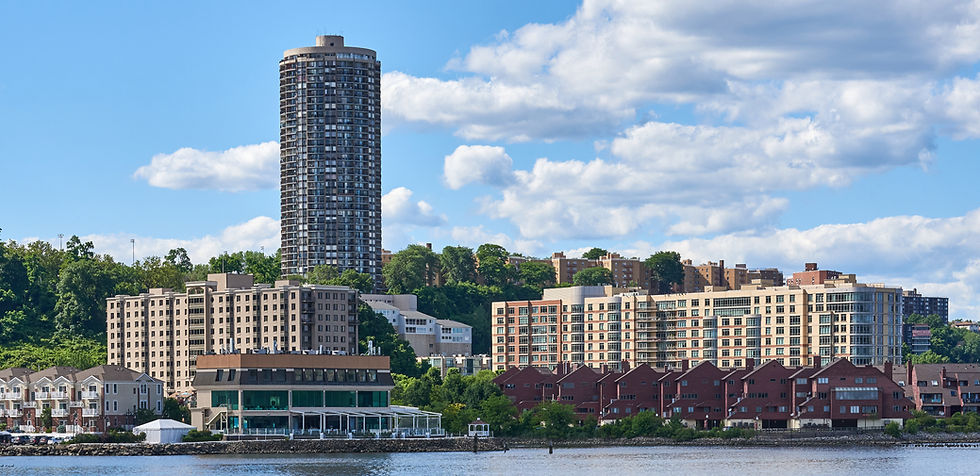
Even inside one square mile, Hoboken has distinct zones. Downtown around the PATH station and lower Washington Street is the loudest, most bar-heavy stretch — great for nightlife, less ideal if you need quiet before 11pm. Midtown balances residential calm with restaurant access and solid park proximity, especially around Church Square Park, which functions as the town's unofficial living room — four playgrounds, a splash pad, basketball courts, and summer concerts. Uptown toward Elysian Park and the northern waterfront feels more residential, with tree-lined streets, less foot traffic, and stunning river views. The Western Edge, closer to the light rail and Hoboken Yards, is where newer development is happening — more modern buildings at relatively better price points.
Raising Kids in a One-Square-Mile City
Hoboken's school system has improved significantly, with both public and charter options expanding. The district runs several well-regarded elementary schools, and families supplement with enrichment programs, sports leagues, and creative classes scattered across town. But the real kid infrastructure is the parks. Pier C Park has a giant slide, sand and water play areas, and a fishing pier. Stevens Park is shaded and calm. Church Square Park is the default after-school hangout. Throw in the Hoboken Farmers' Market on Saturdays and the summer Arts & Music Festival, and kids here grow up with a kind of urban independence that's hard to replicate in a car-dependent suburb.
Coffee, Food, and the Spots Locals Actually Go
The food scene here runs deep for a small city. Morning coffee at Black Rail (tucked in the northwest corner, great WiFi) or Mojo Coffee Company uptown. Brunch at Elysian Café, the oldest bar and restaurant in Hoboken, or at Barbès, which brings a Parisian feel to uptown with outdoor seating and fresh-fruit cocktails. For dinner, Café Michelina is a beloved BYOB that locals guard fiercely, Court Street is a reliable neighborhood staple, and The Cuban serves what many call the best skirt steak they've ever had. When you want something quick and distinctly Hoboken, Fiore's Deli has been slicing mozzarella and building subs since 1913.
The Real Equation
Hoboken gives you a lifestyle most suburbs can't touch: walkability, transit, food, parks, and proximity to Manhattan in under 15 minutes via PATH. But inventory is tight, prices per square foot rival many NYC neighborhoods, and the best units in the best locations move fast — especially family-sized two- and three-bedrooms near the parks. The risk isn't whether Hoboken will feel right; it's whether the unit you want will still be available by the time you're ready to act.
If Hoboken is already on your shortlist, the next step is locking down which blocks, buildings, and price points match how you actually want to live.


Comments